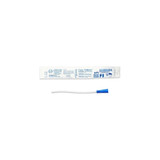

Product Specifications
Below are the key product attributes and specifications that provide detailed information about this item:
Product Overview
Convatec Cure Medical Cure Twist T8 Cure Med, a revolutionary solution designed for individuals seeking a reliable and efficient way to manage their urinary health. This innovative product combines advanced technology with user-friendly features to ensure a comfortable and effective experience for users of all ages.
The Cure Twist T8 is engineered with a focus on convenience and ease of use. Its compact design makes it portable and discreet, allowing users to carry it with them wherever they go. Whether at home, at work, or on the move, this product ensures that urinary management is no longer a cumbersome task.
Key Features:
- Ergonomic Design: The Cure Twist T8 is designed to fit comfortably in your hand, allowing for easy maneuverability during use. Its intuitive shape reduces strain and enhances control, making it suitable for both experienced users and those new to urinary management.
- Twist Mechanism: The unique twist mechanism allows for smooth and effortless catheterization. This feature minimizes the need for excessive force, reducing discomfort and enhancing the overall experience.
- Pre-lubricated Catheter: Each Cure Twist T8 comes pre-lubricated, which means users can enjoy a smooth insertion without the need for additional lubricants. This feature not only saves time but also ensures a hygienic and comfortable process.
- Hydrophilic Coating: The catheter is equipped with a hydrophilic coating that activates upon contact with water. This ensures optimal lubrication, reducing friction and enhancing comfort during use.
- Graduated Measurements: The Cure Twist T8 includes graduated measurements on the catheter, allowing users to easily monitor and manage their urinary output. This feature is particularly beneficial for those who need to track their fluid intake and output for medical reasons.
- Latex-Free Material: Made from high-quality, latex-free materials, the Cure Twist T8 is suitable for individuals with latex allergies. This ensures a safe and comfortable experience for all users.
- Easy Disposal: The product is designed for single-use, making disposal simple and hygienic. Each catheter comes in a discreet packaging that can be easily disposed of after use, promoting cleanliness and convenience.
Use Suggestion:
The Convatec Cure Medical Cure Twist T8 is ideal for individuals who require intermittent catheterization due to medical conditions such as spinal cord injuries, neurological disorders, or urinary retention. It is also suitable for caregivers assisting patients with urinary management needs. For best results, users should ensure they are in a comfortable and private setting when using the Cure Twist T8. Prior to use, wash hands thoroughly and follow the instructions provided for optimal hygiene and effectiveness. With the Cure Twist T8, managing urinary health becomes a seamless part of daily life, empowering users to maintain their independence and confidence.
Instruction Guide to Clean Self-Intermittent Catheterization for Women Using the Cure Twist®
This educational material is provided by Convatec Continence Care in an effort to answer questions and address possible concerns about the intermittent catheterization process. By following the simple steps for clean self-intermittent catheterization, it is possible to quickly master the technique and make the process part of your daily routine for bladder management and urinary tract health.
Convatec Continence Care wishes to thank Anne Boisclair-Fahey, DNP, RN, CPNP, for writing this educational material. Her experience as a Senior Director of Advanced Practice Providers (APPS) at Children's Minnesota Hospital, combined with over 20 years of clinical expertise in pediatric urology as a pediatric nurse practitioner, make her contribution to this instruction guide invaluable.
This instruction guide is not a substitute for medical advice from your healthcare provider.
The Urinary System
The urinary system contains two kidneys, two ureters, the bladder and the urethra. The kidneys filter the blood and produce urine. The urine travels from the kidneys down the ureters and into the bladder, where it is stored until emptied during urination or catheterization. The urethra is the tube that empties the urine out of the body.
When the bladder is full, the brain sends a signal down the spinal cord to the bladder, causing it to empty. For people with spinal cord issues, the signal from the bladder to the brain gets interrupted, making them unable to empty their bladder.
When people are unable to empty their bladder on their own, they are at risk for urinary tract infections, as well as incontinence or involuntary loss of urine. When urine stays in the bladder and is not emptied, bacteria can grow, causing infections, which can lead to illness. Research has shown that self-intermittent catheterization helps reduce urinary tract infections, control urinary leakage (incontinence) and prevent urinary tract damage.
Introduction to Self-Intermittent Catheterization
Intermittent catheterization is the periodic emptying of the bladder by the insertion of a hollow plastic tube (catheter) into the urethra, past the sphincter muscle and into the bladder. Urine then passes out of the bladder through the catheter.
Intermittent catheterization is used when a person is unable to empty her bladder. Medical conditions that often require intermittent catheterization include spinal cord injuries, spina bifida and multiple sclerosis, to name a few.
Intermittent catheterization must be done at regular intervals each day to keep the bladder healthy.
Your healthcare provider has recommended clean self-intermittent catheterization to help empty your bladder and keep your urinary system healthy. The attractive Cure Twist® Catheter may be an ideal option if discretion and convenience are important considerations.
How Often Should I Catheterize?
Your healthcare provider will let you know how often you will need to perform clean self-intermittent catheterization and the size of the catheter you will need. Normally, self-intermittent catheterization is performed every four hours starting when you wake up in the morning and continues every four hours until bedtime. Some people catheterize on a more frequent schedule. Most people who catheterize do not need catheterization at night. Your healthcare provider will let you know if you need catheterization at night.
Self-Intermittent Catheterization Instructions for Women
Most women who perform self-intermittent catheterization sit on the toilet.
(The shorter length Cure Twist® is ideal for this technique because the shorter catheter is less likely to touch the toilet). Other self-intermittent catheterization positions include sitting in a chair or wheelchair or lying down with pillows behind the back. Do what is most comfortable for you to pass the catheter into the urethra. Initially, you may want to use a mirror to help visualize the urethral opening where the catheter is inserted. It may take time for you to locate the proper opening. Eventually, most women learn to catheterize by touch and feel.
1. Before you begin, gather the following materials: Cure Twist® catheter in a sealed package.
Something to cleanse the area:
Soap, water and a washcloth or unscented disposable wipes.
A container to collect the urine if not cathing while sitting on a toilet.
Hand towel.
2. Inspect catheter before use. If catheter or package is damaged, do not use.
3. Wash hands thoroughly with soap and water, or if not available, use an antibacterial hand cleaner.
4. Lay out the equipment so it is within easy reach.
Remove the easy, twist-off cap on the Cure Twist® catheter package.
5. Position yourself comfortably. Arrange clothing out of the way. If sitting on the toilet, spread your legs far apart. If lying down, bend knees and place your heels together in a "frog-like" position (shown).
6. Using the non-dominant hand, separate the labia with the thumb and forefinger to locate the urethra.
7. With the labia separated, wash the urethral area from front to back thoroughly with soap, water and washcloth or unscented disposable wipe. Never go back and forth over the urethral opening. Repeat washing from front to back with the different areas of the washcloth or disposable wipe.
Self-Intermittent Catheterization Instructions for Women Continued
8. With your dominant hand, insert the Cure Twist® gently into the urethral opening (shown). Continue to insert the catheter about 2 inches until urine begins to flow. If sitting on the toilet the urine can drain into the toilet. If lying down, place the funnel end of the catheter into a container to collect the urine. Hold it in place until urine stops flowing.
9. When urine stops flowing, slowly rotate the Cure Twist® catheter between your fingers while withdrawing it. If urine starts to flow again, stop withdrawing the catheter and let the urine drain. When the bladder is empty, finish removing the catheter.